Darshana of Lord Jagannatha at Bhadrak on Snana Purnima in Elephant Dress (2026)
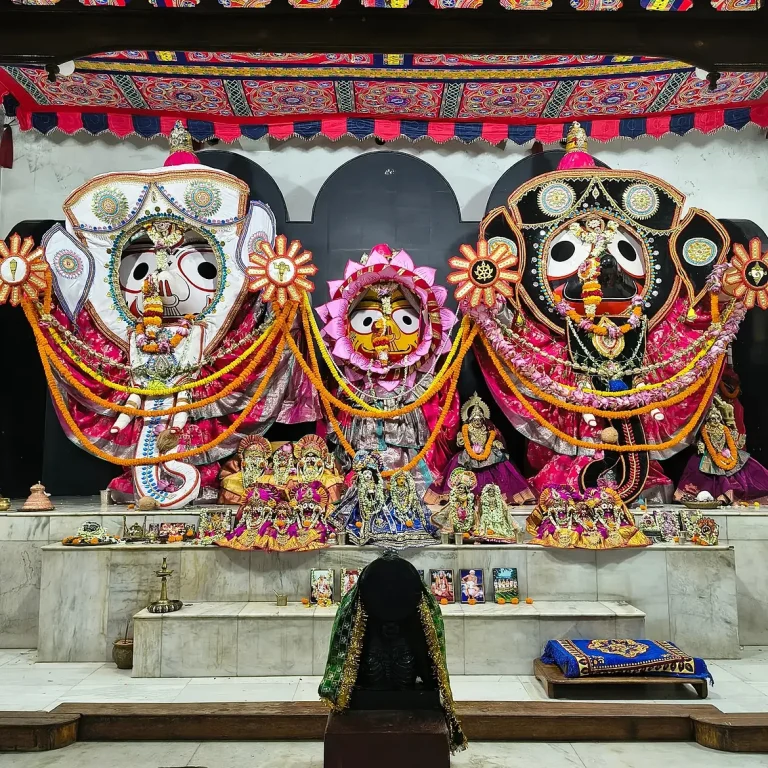
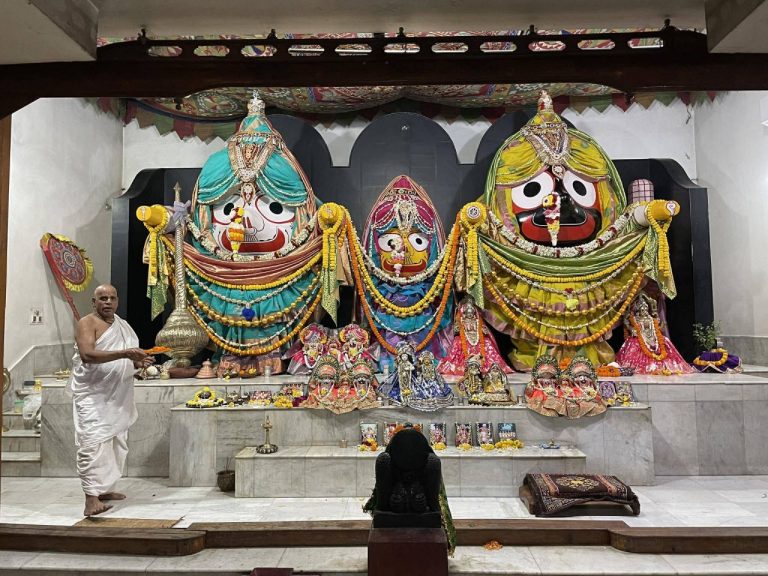
Some pictures of Lord Jagannatha in his elephant dress (Gaja Vesha) taken on the occassion of Snana Purnima.
Some pictures of Lord Jagannatha in his elephant dress (Gaja Vesha) taken on the occassion of Snana Purnima.

Dayalu Baba’s other most loved “modern” possession was a small binocular I gave him. He would carry it everywhere in the forest and look at things across the mountains. He would look in amazement like a little kid when he used them.
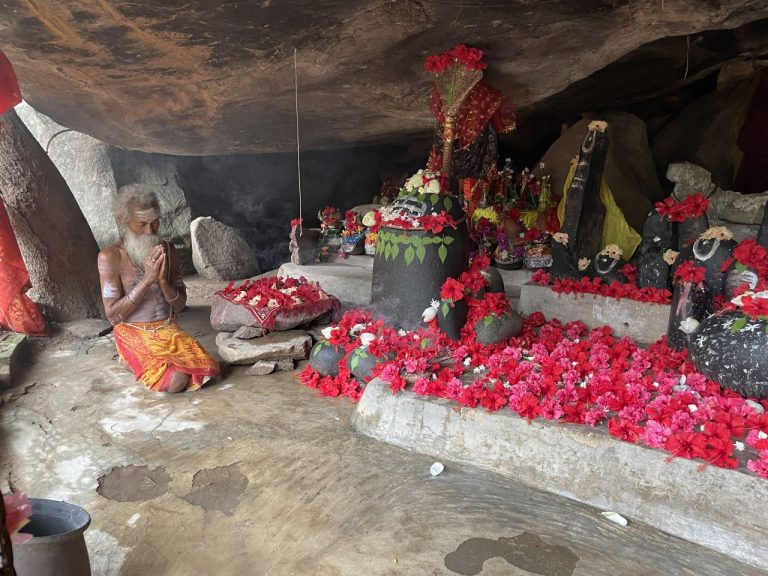
Dayalu Baba would grow hundreds of lotuses in his ashram pond to offer to his deities. Because of the lotuses the pond was not very good for bathing in, as it was full of mud and overgrowth of aquatic weeds and water grasses.
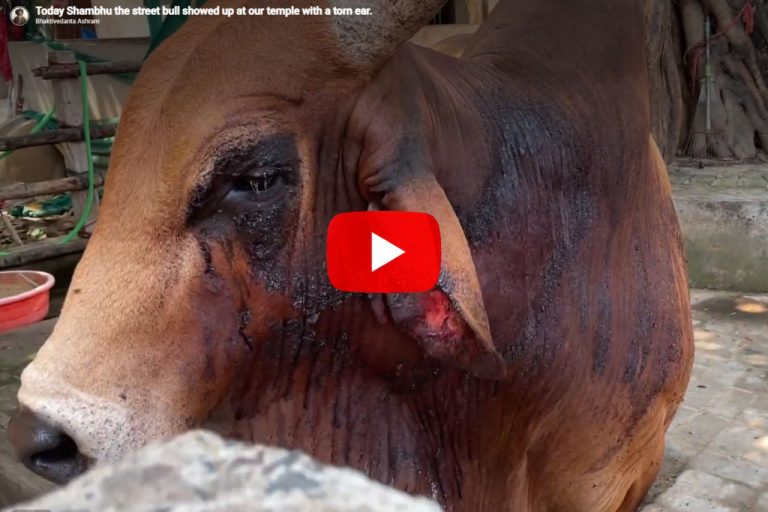
Today Shambhu the street bull showed up at our temple with a torn ear. About twenty Bajrang Dal devotees were following him from the market to treat him, but he wouldn’t cooperate and wanted to come straight to our temple. Any time Shambhu gets hurt he wants to first come to our temple, where he…
Five days ago Lord Jagannatha performed another miracle to save the life of an animal here at our temple in Bhadrak, Odisha. I have no idea why, but at this temple Lord Jagannatha has kept performing miracles to save various animals, usually bulls or street dogs. I have written about several of them in the…
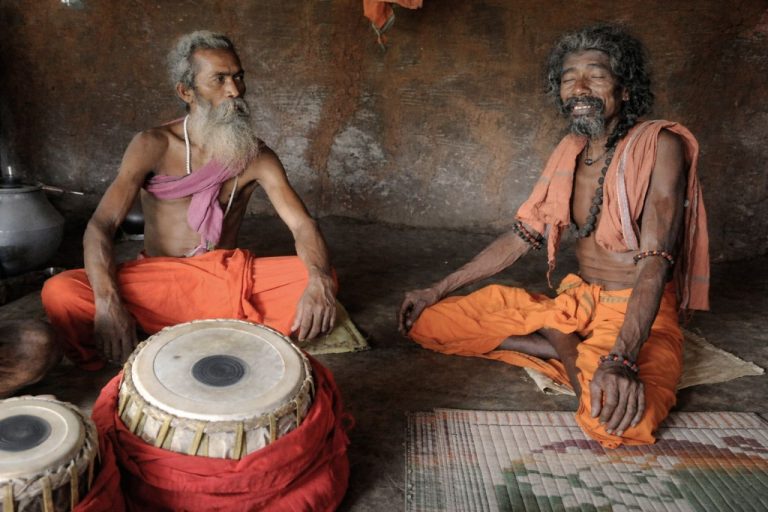
Vishwanatha Baba lived in the most remote area along the Salandi river. No vehicles could reach his small mud hut, and you had to walk for many hours through the forest to reach his ashram. He went to this remote area to be away from all the materialistic people who had started flooding into the…
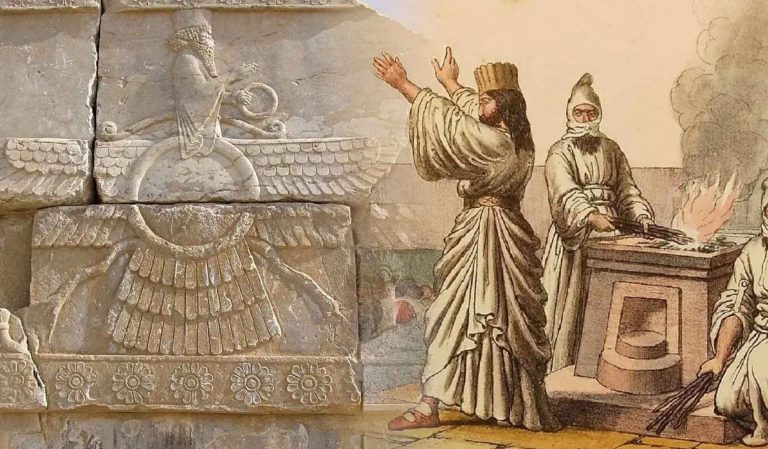
Now that the news cycle is back to speaking about war in Iran and the rise of Persian identity, there is a little known fact that I meant to bring up in the past but forgot to. Most everyone is aware that the country name “Iran” is based on the Sanskrit concept of Aryan, the…
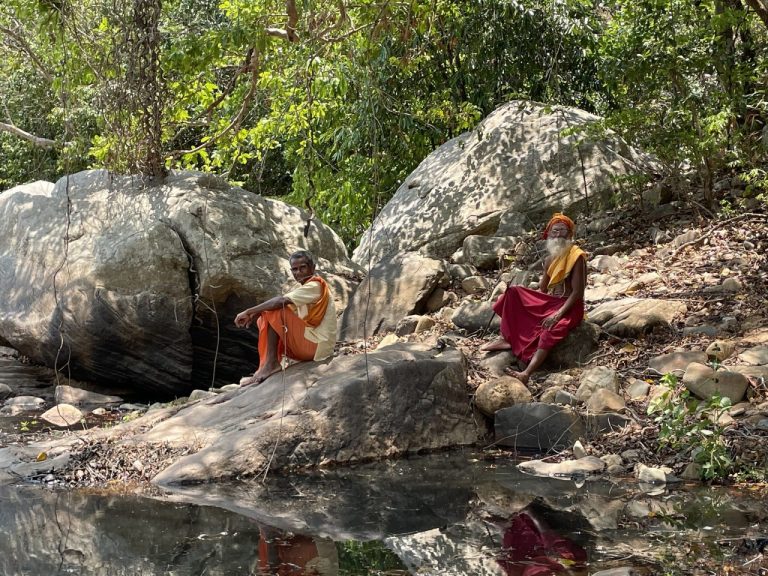
Question: Hare Krishna. What do these sadhus generally eat? I heard they eat a lot of wild roots. These must be very nutritious, because some of these sadhus live so long.
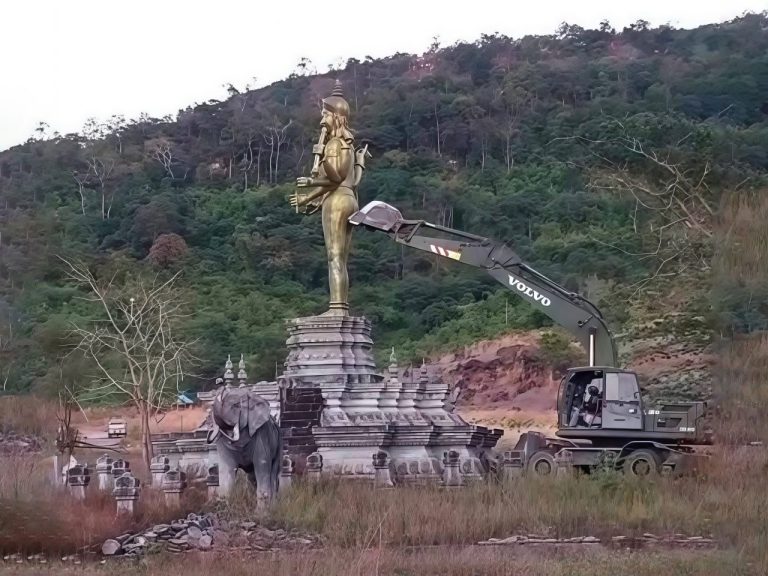
Regarding the story last week of the Thailand military destroying a statue of a Hindu deity on the border with Cambodia, at the time it was unclear which deity it was. Now clearer photographs have become available. The deity is an 8 armed form of Lord Vishnu. This form is originally found in the ancient…
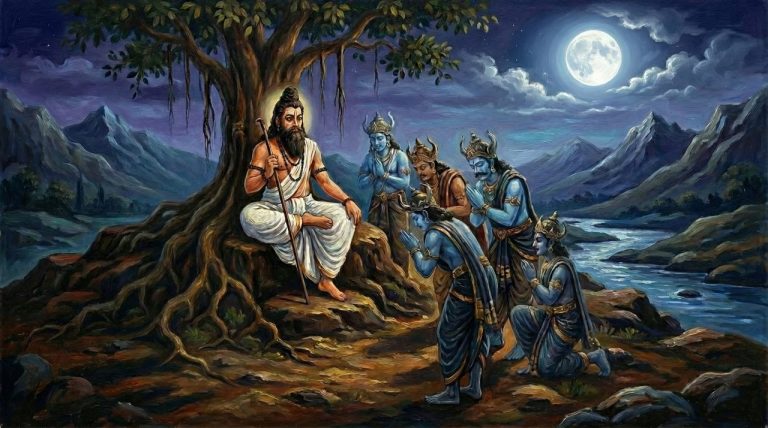
It appears in regards to Shukracharya many devotees are holding a negative opinion of him, probably from their recollection of the mistake he did in regards to Bali Maharaja and Vamana Avatara. We should always remember that that is only one past event, and he has moved on from that mistake. We should not hold…
Support the Ashram
Your support helps sustain the ashram and lovingly care for the bulls and cows in our sanctuary.
Contact the Ashram
Call Us or WhatsApp:
(+91) 8300181008